



Infection Control Advice for Patients and Visitors
1. Hand Hygiene
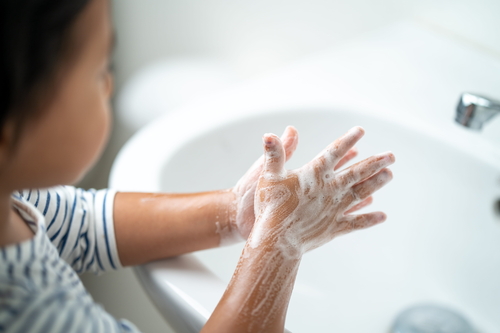
To minimise the risk of healthcare-associated infections and safeguard the health of patients, visitors, and healthcare workers, hand hygiene remains the most effective measure for preventing the transmission of infectious agents and reducing antimicrobial resistance in healthcare settings.
A. Indications for Hand Hygiene
All patients and visitors are recommended to perform hand hygiene:
- Before eating or taking oral medications;
- After using the toilet;
- After coughing, sneezing, or touching the nose or mouth;
- Upon entering and leaving wards, clinics, or hospital premises.
B. Proper Hand Hygiene
Hand hygiene should be performed for at least 20 seconds using the recommended technique.
- Use alcohol-based hand rub (ABHR) when hands are not visibly soiled;
- Wash hands with soap and water when hands are visibly soiled or after using the toilet
For proper hand hygiene technique, please refer to the Centre for Health Protection (CHP) hand hygiene video.
Hand rubbing with alcohol based handrub
Washing hands with liquid soap and water
2. Use of Surgical Mask and Cough Manners

All personnel within hospital clinical areas are advised to wear a surgical mask to protect themselves and other patients. Patients and visitors presenting with symptoms of upper respiratory tract infection should:
- Wear a surgical mask;
- Maintain proper cough manners by covering the mouth and nose while coughing or sneezing;
- Dispose of used or soiled tissue paper in a covered waste bin properly.
3. Visiting Advice
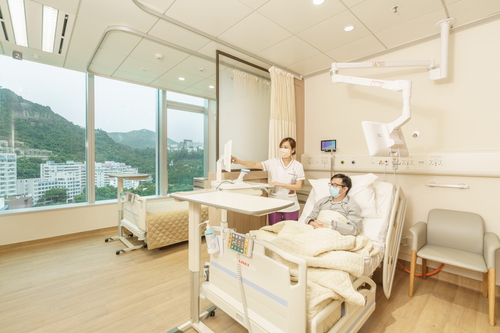
To help protect patients and reduce the risk of infection transmission, visitors are advised not to visit the hospital if they experience any of the following symptoms:
- Fever;
- Vomiting or diarrhoea;
- Respiratory symptoms (e.g. cough, sore throat, or runny nose);
- Rash
4. Other Infection Control Advices

To further protect patients and maintain a safe healthcare environment:
- Visitors should avoid touching patients’ wounds, dressings, intravenous lines, tubes, or medical equipment;
- Any food brought for patient should preferably be non-perishable or freshly cooked;
- All food items should be prepared, handled, and stored in accordance with proper food hygiene practices.
5. Comply with the hospital’s infection control policy
All individuals who enter the hospital premises are required to adhere to the current infection control policy / measures implemented by the hospital.